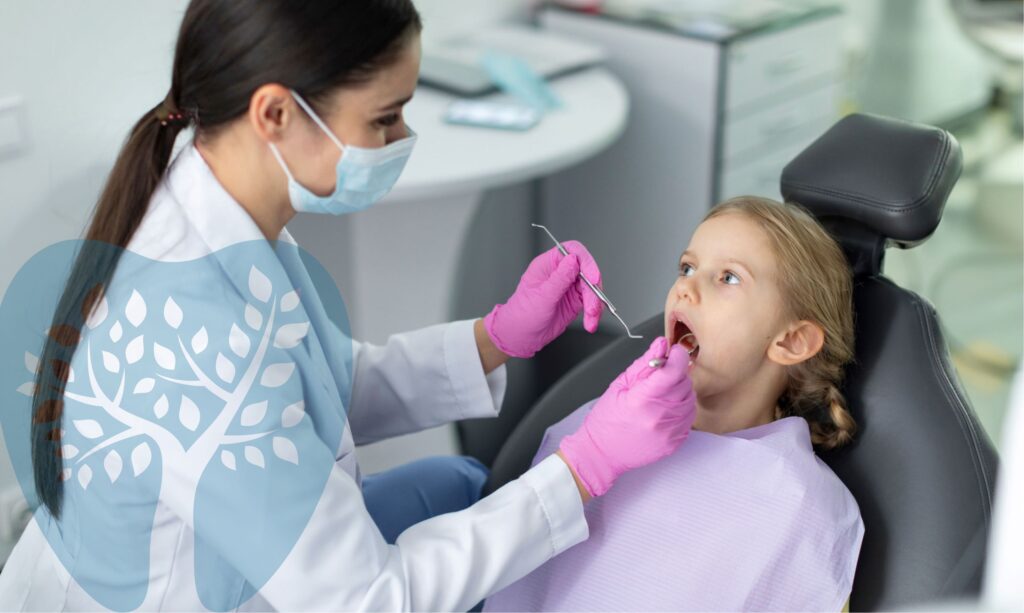
Early orthodontic evaluation plays an important role in guiding healthy dental development during childhood. As teeth and jaws develop, subtle alignment issues can begin to form long before they are obvious to parents or caregivers. These early changes may influence how teeth erupt, how the jaws relate to each other, and how a child bites, chews, and speaks. An orthodontic assessment at a young age allows dental professionals to monitor growth patterns and identify concerns while bones are still developing. Rather than focusing only on straightening teeth, early evaluation emphasizes balance, function, and long-term stability. This proactive approach helps families understand potential concerns early and supports informed decisions about future dental care.
How Early Evaluation Supports Development
- Understanding Dental and Jaw Growth Patterns
Children’s mouths change rapidly as primary teeth give way to permanent teeth and jaw structures continue to develop. Early orthodontic evaluation focuses on how these changes are progressing rather than waiting until all adult teeth are present. Dental professionals assess spacing, crowding, bite relationships, and jaw symmetry during key growth stages. These observations help identify whether teeth are erupting in a way that supports proper alignment or if future complications may arise. Monitoring growth patterns enables orthodontic planning to align with natural development rather than reacting after issues are already established. Many families learn about early assessment options through dental practices and resources such as https://thedentalstudiowilliamstown.com.au/, which emphasize the value of tracking development rather than delaying evaluation until adolescence.
- Preventing More Complex Alignment Challenges
When orthodontic concerns are identified early, there is often greater flexibility in guiding jaw growth and tooth positioning. Certain alignment issues, if left unmonitored, can worsen as permanent teeth emerge and facial structures mature. Early evaluation allows dental professionals to observe whether a child’s bite is developing evenly or is placing uneven pressure on specific teeth. Addressing these concerns at the right time can reduce the likelihood of more involved correction later. While not every child requires immediate treatment, early assessment helps determine optimal timing if intervention becomes necessary. This measured approach supports balanced growth and may simplify future orthodontic care by reducing the severity of alignment challenges.
- Early Evaluation at a Glance
Early orthodontic evaluation focuses on monitoring growth, identifying emerging concerns, and planning, rather than rushing into treatment. It supports informed decision-making and allows dental care to align with a child’s natural development. By understanding how teeth and jaws are changing, families gain clarity about potential needs while maintaining flexibility in future care planning.
- Supporting Oral Function and Comfort
Beyond appearance, early orthodontic evaluation supports comfortable, effective oral function. Bite alignment affects how children chew, speak, and distribute pressure across their teeth. Irregular bite patterns can contribute to uneven wear, jaw discomfort, or difficulty cleaning certain areas of the mouth. By identifying these patterns early, dental professionals can monitor how function evolves as the child grows. Even small adjustments in timing or guidance can influence long-term comfort. Early evaluation encourages a broader view of oral health, recognizing that function and alignment are closely connected throughout development.
- Encouraging Positive Dental Experiences
Introducing orthodontic evaluation early can also help children become more comfortable with dental care overall. Familiarity with dental visits and discussions about growth reduces anxiety and builds confidence. Early assessments are typically observational and educational, allowing children and parents to ask questions without pressure. This experience helps normalize orthodontic care as part of routine health monitoring rather than something associated only with corrective appliances. Positive early interactions support better cooperation if treatment becomes necessary later and reinforce the importance of ongoing oral health awareness during childhood and adolescence.
- Supporting Long-Term Monitoring and Timely Decisions
Another important benefit of early orthodontic evaluation is the ability to establish a clear monitoring plan over time. Rather than making assumptions based on a single visit, dental professionals can track changes in tooth eruption, jaw growth, and bite alignment across several years. This ongoing observation helps determine whether concerns are resolving naturally or progressing to the point that action may be required. Parents gain clarity on what signs to watch for, such as crowding, uneven spacing, or shifting bite patterns, without feeling pressured into immediate treatment. Long-term monitoring also allows orthodontic decisions to be timed carefully, aligning with growth spurts when changes are often more effective. This measured approach reduces uncertainty, supports thoughtful planning, and helps families feel confident that any future steps are based on clear trends rather than guesswork.
The importance of early orthodontic evaluation lies in its ability to support healthy development through observation, timing, and informed planning. By assessing dental and jaw growth during formative years, potential concerns can be identified before they become more complex. This approach prioritizes balance, function, and long-term stability rather than delayed correction. Early evaluation empowers families with knowledge, supports comfortable oral function, and encourages positive dental experiences for children. When orthodontic care is aligned with natural growth, it becomes a thoughtful process that supports lasting oral health and confidence well into adulthood.