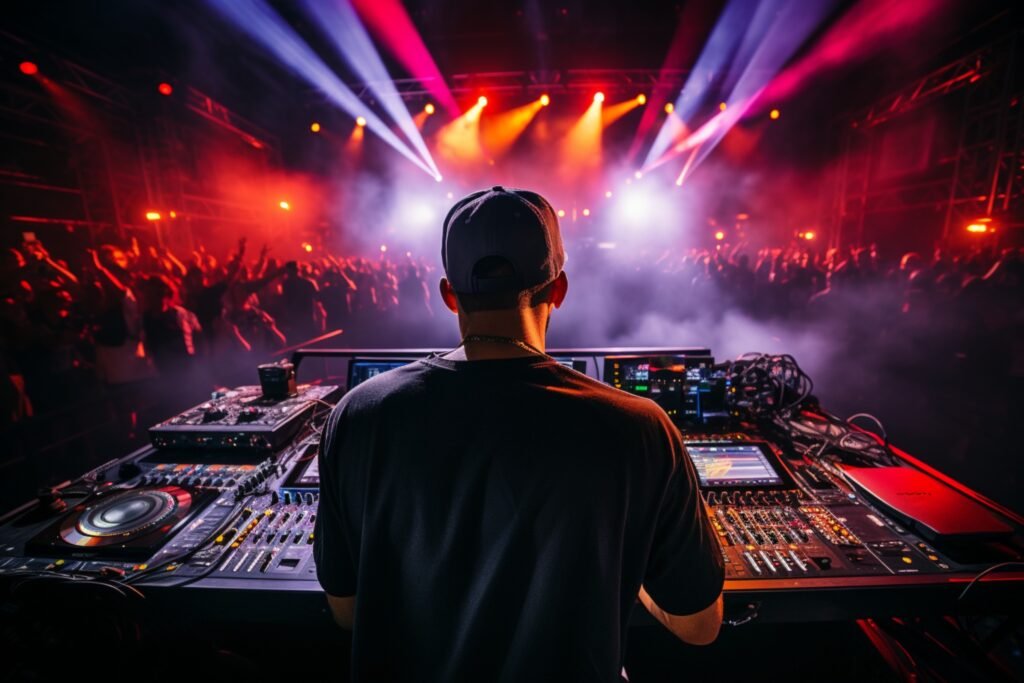
DJs play a central role in shaping the atmosphere of social gatherings, nightlife venues, and large-scale events. Their work goes far beyond playing songs, as it involves reading the room, understanding musical flow, and creating transitions that keep audiences engaged. Over time, DJ culture has evolved alongside technology, shifting from vinyl records to digital platforms while preserving the core goal of connecting people through sound. This balance between technical control and creative expression defines the modern DJ experience. Whether performing at clubs, weddings, or festivals, DJs influence how people remember moments, react emotionally, and move together on the dance floor.
The foundations of DJ performance
- Understanding the DJ’s Role in Event Energy
A DJ’s primary responsibility is to manage energy within a space, guiding listeners through different moods without disrupting momentum. This involves selecting tracks that complement one another in rhythm and tone while responding to audience reactions in real time. DJs often adjust tempo, genre, or intensity to match changing dynamics, ensuring the music remains engaging throughout an event. Timing is essential, as introducing a high-energy track too early or slowing things down at the wrong moment can alter the atmosphere. This awareness allows DJs to maintain continuity while offering variety. By controlling pacing and transitions, DJs help events feel cohesive, immersive, and memorable rather than disjointed or predictable.
- Blending Technical Skills With Musical Awareness
Successful DJ performances rely on a combination of technical precision and musical sensitivity. DJs manage mixing equipment, software interfaces, and sound systems while simultaneously tracking beats, keys, and song structure. These technical elements allow smooth transitions that feel natural to listeners. At the same time, musical awareness helps DJs anticipate how different sounds will resonate with diverse audiences. In regions where entertainment scenes are closely tied to local culture, such as events featuring a DJ in Milwaukee, understanding audience preferences becomes even more important. This blend of skill and awareness allows DJs to adapt their approach, ensuring performances feel tailored rather than generic.
- How DJs Shape Atmosphere Through Sound Design
Beyond song selection, DJs influence atmosphere through sound layering, effects, and subtle adjustments. Equalization controls allow them to emphasize certain frequencies, shaping how music feels within a space. Reverb, filters, and timing effects can add depth or tension, enhancing the emotional impact of a track. DJs also adjust volume levels carefully to maintain comfort while preserving energy. These sound design choices contribute to an immersive environment that supports social interaction and movement. By managing these details, DJs create an experience that feels intentional and responsive. This attention to sonic texture helps differentiate a thoughtful performance from a simple playlist played through speakers.
- Adapting DJ Performances Across Different Settings
DJ performances vary widely depending on the setting, requiring flexibility and situational awareness. A wedding reception, for example, demands smooth transitions between genres and eras to accommodate guests of different ages. A nightclub setting may focus more on maintaining a consistent tempo and building intensity over time. Outdoor events introduce additional challenges, such as acoustics and environmental noise. DJs adapt by adjusting equipment placement, song selection, and performance style to suit each environment. This adaptability allows them to deliver engaging performances regardless of context. By responding to unique conditions, DJs ensure that music complements the occasion rather than competing with it.
- The Role of Preparation and Equipment Familiarity
A DJ’s performance quality is strongly influenced by preparation and familiarity with their equipment. Knowing how mixers, controllers, and software respond under live conditions allows DJs to react quickly without interrupting the flow of music. Preparation includes organizing music libraries, setting cue points, and testing transitions in advance, which helps reduce on-the-spot guesswork. Familiarity with the equipment also allows confident adjustments if sound levels change or technical issues arise. Rather than focusing on the tools themselves during a performance, DJs who prepare thoroughly can focus on audience response and musical timing. This level of readiness supports smoother performances and helps maintain consistent energy throughout an event, regardless of unexpected changes.
The Lasting Impact of a Thoughtful DJ Performance
DJs contribute more than background music; they shape how people experience shared moments. Through careful track selection, technical control, and responsiveness to audience energy, DJs create environments that encourage connection and enjoyment. Their work blends creativity with structure, allowing events to unfold naturally while maintaining momentum. As technology continues to evolve, the core principles of DJ performance remain rooted in understanding people and sound. This balance helps DJs leave a lasting impression long after the final track ends. When done with intention, DJ performances become an integral part of how memories are formed and remembered.
The Craft and Culture Behind Modern DJ Performances
DJs play a central role in shaping the atmosphere of social gatherings, nightlife venues, and large-scale events. Their work goes far beyond playing songs, as it involves reading the room, understanding musical flow, and creating transitions that keep audiences engaged. Over time, DJ culture has evolved alongside technology, shifting from vinyl records to digital platforms while preserving the core goal of connecting people through sound. This balance between technical control and creative expression defines the modern DJ experience. Whether performing at clubs, weddings, or festivals, DJs influence how people remember moments, react emotionally, and move together on the dance floor.
The foundations of DJ performance
- Understanding the DJ’s Role in Event Energy
A DJ’s primary responsibility is to manage energy within a space, guiding listeners through different moods without disrupting momentum. This involves selecting tracks that complement one another in rhythm and tone while responding to audience reactions in real time. DJs often adjust tempo, genre, or intensity to match changing dynamics, ensuring the music remains engaging throughout an event. Timing is essential, as introducing a high-energy track too early or slowing things down at the wrong moment can alter the atmosphere. This awareness allows DJs to maintain continuity while offering variety. By controlling pacing and transitions, DJs help events feel cohesive, immersive, and memorable rather than disjointed or predictable.
- Blending Technical Skills With Musical Awareness
Successful DJ performances rely on a combination of technical precision and musical sensitivity. DJs manage mixing equipment, software interfaces, and sound systems while simultaneously tracking beats, keys, and song structure. These technical elements allow smooth transitions that feel natural to listeners. At the same time, musical awareness helps DJs anticipate how different sounds will resonate with diverse audiences. In regions where entertainment scenes are closely tied to local culture, such as events featuring a DJ in Milwaukee, understanding audience preferences becomes even more important. This blend of skill and awareness allows DJs to adapt their approach, ensuring performances feel tailored rather than generic.
- How DJs Shape Atmosphere Through Sound Design
Beyond song selection, DJs influence atmosphere through sound layering, effects, and subtle adjustments. Equalization controls allow them to emphasize certain frequencies, shaping how music feels within a space. Reverb, filters, and timing effects can add depth or tension, enhancing the emotional impact of a track. DJs also adjust volume levels carefully to maintain comfort while preserving energy. These sound design choices contribute to an immersive environment that supports social interaction and movement. By managing these details, DJs create an experience that feels intentional and responsive. This attention to sonic texture helps differentiate a thoughtful performance from a simple playlist played through speakers.
- Adapting DJ Performances Across Different Settings
DJ performances vary widely depending on the setting, requiring flexibility and situational awareness. A wedding reception, for example, demands smooth transitions between genres and eras to accommodate guests of different ages. A nightclub setting may focus more on maintaining a consistent tempo and building intensity over time. Outdoor events introduce additional challenges, such as acoustics and environmental noise. DJs adapt by adjusting equipment placement, song selection, and performance style to suit each environment. This adaptability allows them to deliver engaging performances regardless of context. By responding to unique conditions, DJs ensure that music complements the occasion rather than competing with it.
- The Role of Preparation and Equipment Familiarity
A DJ’s performance quality is strongly influenced by preparation and familiarity with their equipment. Knowing how mixers, controllers, and software respond under live conditions allows DJs to react quickly without interrupting the flow of music. Preparation includes organizing music libraries, setting cue points, and testing transitions in advance, which helps reduce on-the-spot guesswork. Familiarity with the equipment also allows confident adjustments if sound levels change or technical issues arise. Rather than focusing on the tools themselves during a performance, DJs who prepare thoroughly can focus on audience response and musical timing. This level of readiness supports smoother performances and helps maintain consistent energy throughout an event, regardless of unexpected changes.
The Lasting Impact of a Thoughtful DJ Performance
DJs contribute more than background music; they shape how people experience shared moments. Through careful track selection, technical control, and responsiveness to audience energy, DJs create environments that encourage connection and enjoyment. Their work blends creativity with structure, allowing events to unfold naturally while maintaining momentum. As technology continues to evolve, the core principles of DJ performance remain rooted in understanding people and sound. This balance helps DJs leave a lasting impression long after the final track ends. When done with intention, DJ performances become an integral part of how memories are formed and remembered.e>