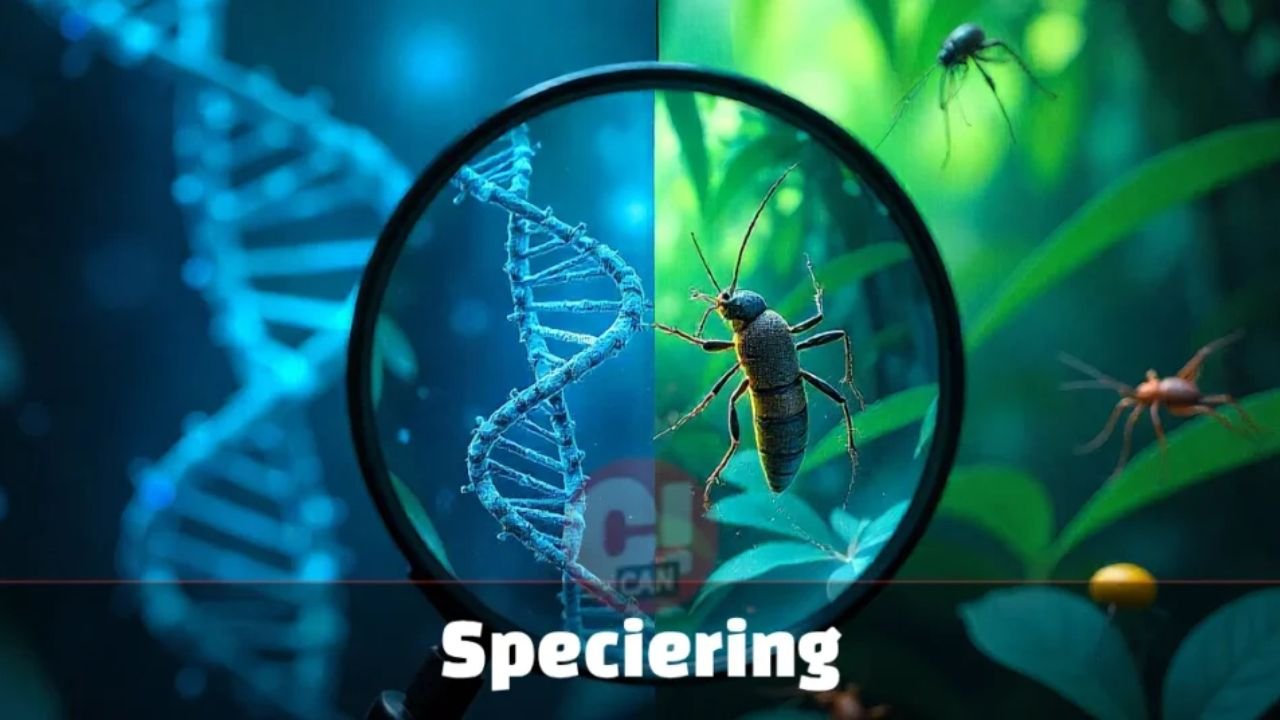
(Speciering) is the natural process where new species are formed over time. It may sound complex, but the idea is simple. Living things change slowly across many generations. These changes help them survive in their surroundings. When groups of the same species change in different ways, they can become new species. This process happens in nature every day, even if we cannot see it happen fast. Speciering helps explain why Earth has so many plants, animals, and insects. It also helps us understand how life adapts to challenges like climate change. In this article, we will explore speciering in a very easy way. You do not need a science background. Everything is explained with simple words, short sentences, and real-life examples. By the end, you will clearly understand speciering and why it matters so much for life on our planet.
Quick Bio
The table below gives you a quick overview of speciering in a simple way. It explains what speciering means, how it happens, and why it is important. This short summary helps readers who want fast answers before reading deeper. Speciering is a slow natural process, not something that happens overnight. It involves changes in genes, environments, and behaviors. Scientists study speciering to understand evolution and biodiversity. This process affects animals, plants, insects, and even tiny organisms. Speciering also helps explain how life survives changes over long periods. Understanding these basics makes the rest of the article easier and more enjoyable to read.
| Topic | Description |
|---|---|
| Term | Speciering |
| Meaning | Formation of new species |
| Speed | Very slow process |
| Time | Thousands of years |
| Affects | Plants and animals |
| Driven by | Environment changes |
| Key factor | Genetic variation |
| Result | Biodiversity |
| Studied by | Scientists |
| Seen in | Nature |
| Importance | Life survival |
| Example | Birds adapting |
| Outcome | New species |
What Does Speciering Really Mean
Speciering means the birth of new species from existing ones. It happens when groups of the same species become different over time. These differences grow so large that they can no longer reproduce together. When this happens, a new species is formed. Speciering does not mean one animal suddenly changes into another. Instead, it happens through many small changes passed from parents to offspring. These changes help organisms survive better in their environment. Over time, these helpful traits become common in a group. Speciering explains why animals in different places look and behave differently. It also explains why some species only live in one area. Understanding speciering helps us see life as a slow and steady journey of change.
Why Speciering Is Important for Life on Earth
Speciering is important because it creates biodiversity. Biodiversity means having many different living things. This variety keeps ecosystems healthy and balanced. When one species struggles, another can fill its role. Speciering also helps life survive changes like new climates or predators. Without speciering, life would not adapt well. Earth would have fewer plants and animals. Speciering also helps scientists understand the history of life. Fossils and DNA show how species changed over time. This knowledge helps protect endangered species today. When we understand speciering, we understand how fragile life can be. It reminds us to care for nature and protect habitats so speciering can continue naturally.
How Speciering Starts in Nature
Speciering often starts when groups of the same species become separated. This separation can happen because of mountains, rivers, or distance. Once separated, each group faces different challenges. One group may live in a dry area, while another lives in a wet area. Over time, they develop different traits to survive. These traits are passed down through generations. Slowly, the groups become more different. Eventually, they can no longer mate successfully. At that point, speciering is complete. This process takes a very long time. It shows how powerful small changes can be when given enough time.
Types of Speciering Explained Simply
There are different types of speciering, but they all follow the same idea. One common type happens when populations are physically separated. Another type happens even when groups live in the same area but behave differently. For example, some animals may mate at different times. Over time, these differences prevent mixing. Speciering can also happen because of food choices or habits. Each type of speciering shows how flexible life can be. Nature finds many ways to create new species. Learning about these types helps us see speciering as a natural and creative force.
The Role of Genetics in Speciering
Genes play a huge role in speciering. Genes carry instructions for how living things grow and behave. Small changes in genes happen naturally. Some changes help survival, while others do not. Helpful changes are more likely to be passed on. Over many generations, these genetic differences build up. When two groups have very different genes, they may not produce healthy offspring together. This genetic gap is key to speciering. Scientists study DNA to understand how species are related. Genetics helps prove that speciering is real and ongoing. It also shows how closely connected all life is.
Environmental Changes and Speciering
The environment strongly affects speciering. Changes in climate, food, or predators push species to adapt. For example, colder weather may favor thicker fur. Over time, only those with helpful traits survive. These survivors pass traits to their young. If environments differ, adaptations differ too. This leads to speciering. Environmental pressure is like a teacher guiding change. Without change, speciering would slow down. This is why protecting environments matters. When habitats disappear, speciering can stop or reverse. Nature needs space and time to create new species.
Real-Life Examples of Speciering
Speciering is not just theory. We see it in nature today. Birds on islands often develop different beak shapes. Each shape helps them eat different foods. Over time, these birds become new species. Insects adapting to new plants show speciering too. Even fish in lakes evolve differently based on depth and light. These examples make speciering easier to understand. They show how everyday survival leads to long-term change. Seeing speciering in action helps us trust science. It also makes nature feel more alive and connected.
Speciering vs Evolution Are They the Same
Speciering and evolution are closely related but not the same. Evolution is the overall process of change in living things. Speciering is one part of evolution. When evolution leads to new species, that is speciering. Not all evolution causes speciering. Some changes happen within a species only. Speciering is special because it increases the number of species. Understanding this difference clears confusion. It also shows how evolution works in steps. Speciering is like a chapter in the bigger story of life.
How Long Does Speciering Take
Speciering takes a very long time. It does not happen in one lifetime. It can take thousands or even millions of years. The speed depends on many factors. Fast-changing environments may speed it up. Stable environments slow it down. Short-lived species may change faster than long-lived ones. Even though it is slow, speciering is always happening. Scientists sometimes observe early stages in nature. Knowing the timeline helps set realistic expectations. Nature works patiently, not quickly.
Common Myths About Speciering
Many myths exist about speciering. Some think it happens suddenly. Others believe it is just a theory with no proof. These ideas are wrong. Speciering is supported by fossils, genetics, and observation. Another myth is that humans came from modern animals. Speciering does not work that way. It involves shared ancestors, not direct changes. Clearing myths helps people trust science. It also makes learning more enjoyable. Truth builds confidence in understanding nature.
How Speciering Helps Scientists Today
Speciering helps scientists in many ways. It helps track disease changes. It helps protect endangered species. It also guides conservation plans. By understanding speciering, scientists know how species adapt. This helps predict future changes. Speciering also helps in agriculture. Crops can be improved by studying natural adaptation. This knowledge has real-world value. It shows that speciering is not just history. It is useful today and for the future.
FAQs About Speciering
1. What is speciering in simple words?
Speciering is when one kind of living thing slowly becomes two different kinds over time.
2. Does speciering still happen today?
Yes, speciering is still happening in nature, even though it is very slow.
3. Can humans see speciering happen?
We cannot see full speciering, but we can see early changes and evidence.
4. Is speciering proven by science?
Yes, fossils, DNA, and observation all support speciering.
5. Does speciering mean animals change suddenly?
No, speciering happens through many small changes over a long time.
6. Why should children learn about speciering?
It helps children understand nature, science, and how life changes.
Conclusion: Why Speciering Matters to Everyone
Speciering is a beautiful and natural process. It explains how life grows, adapts, and survives. Without speciering, Earth would be less diverse and less resilient. Learning about speciering helps us respect nature more. It shows how small changes matter. It also reminds us that life is connected. By protecting nature, we support future speciering. This knowledge empowers us to make better choices. Speciering is not just science. It is the story of life itself.
Read More: Ingebim Explained Meaning Uses Benefits and Real-World Impact


