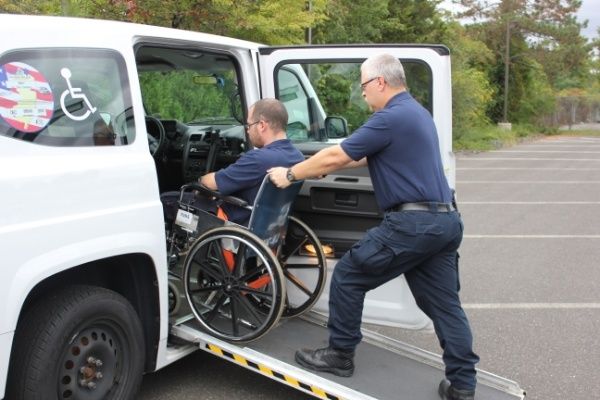
Transporting seniors for extended medical appointments or procedures requires careful planning, attention, and consideration. Long medical journeys can be stressful for older adults, especially if they have limited mobility, chronic conditions, or cognitive challenges. Proper preparation can significantly reduce anxiety, prevent complications, and ensure the journey is as comfortable as possible. We will explore practical strategies that caregivers, family members, and transport providers can use to make long-distance medical travel safer and more manageable for seniors. By understanding the unique needs of older adults during transport, it is possible to create an experience that prioritizes their comfort, dignity, and safety while allowing medical visits to proceed without added stress.
Ensuring Physical Comfort and Safety
One of the primary considerations when preparing seniors for long medical transport is physical comfort. Older adults may experience joint stiffness, muscle fatigue, or discomfort from prolonged sitting. To address this, caregivers should plan for frequent breaks during the journey, especially if the route involves long stretches of travel. Cushioned seating, adjustable support pillows, and blankets can help reduce pressure on sensitive areas and prevent soreness.
It is also important to keep seniors safe by using seat belts or transport harnesses when appropriate to minimize the risk of falls or sudden movements. Ensuring that mobility aids, such as walkers or canes, are easily accessible during stops can further enhance safety. Additionally, adjusting the vehicle’s temperature and ventilation to the senior’s preferences can help prevent discomfort from extreme heat or cold, which may exacerbate medical conditions such as arthritis or respiratory issues. When arranging these precautions, working with this medical transportation company can ensure that all safety measures are properly implemented and tailored to the senior’s needs.
Managing Medications and Health Needs
Medication management is a critical factor during long medical transport. Seniors often take multiple prescriptions, and missing a dose or taking it at the wrong time can have serious consequences. Caregivers should organize medications in clearly labeled containers and maintain a detailed schedule to ensure proper timing. It is helpful to keep medications within easy reach and to carry a backup supply in case of delays or emergencies. Hydration and nutrition should also be addressed; seniors may require regular fluid intake or light snacks to maintain energy levels and prevent dehydration, especially during long trips.
Additionally, caregivers should monitor for signs of discomfort, dizziness, or fatigue that could indicate underlying medical issues. Carrying a basic first-aid kit and keeping emergency contact information readily available are essential, especially when traveling to unfamiliar areas. By proactively addressing health needs, caregivers can minimize risks and provide seniors with a sense of security throughout the journey.
Preparing Mentally and Emotionally
Long medical transport is not only physically demanding but can also be mentally and emotionally challenging for seniors. Anxiety about medical appointments, unfamiliar surroundings, or extended time away from home can heighten stress levels. To support seniors emotionally, caregivers should engage in calm, reassuring communication before and during the trip. Explaining the route, expected duration, and any planned stops can help seniors feel more in control and reduce uncertainty.
Encouraging the use of personal items, such as a favorite blanket, music, or photographs, can provide comfort and familiarity. Planning activities to occupy the mind, such as reading, listening to audiobooks, or engaging in conversation, can also make the time pass more smoothly. It is important to remain patient and attentive, recognizing that seniors may need frequent breaks or reassurance. Creating a supportive environment that values their emotional well-being contributes significantly to a less stressful travel experience.
Coordination with Medical and Transport Teams
Effective coordination between caregivers, medical providers, and transport services is essential for a successful long-distance journey. Prior to the trip, sharing the senior’s medical history, mobility limitations, and medication schedule with the transport provider ensures that appropriate accommodations are in place. This communication allows drivers or attendants to anticipate potential challenges and respond quickly to any needs that arise during transport. Scheduling appointments with consideration for travel time, rest breaks, and potential delays can prevent rushed or stressful experiences. Additionally, caregivers should confirm that vehicles are equipped to handle emergencies, including oxygen support or other medical devices if necessary. By maintaining clear and proactive communication, families can create a seamless connection between home, transport, and medical facilities, reducing the likelihood of complications and supporting the senior’s overall comfort.
Packing Essentials and Comfort Items
Careful packing is another important aspect of preparing seniors for long medical transport. Bringing essential items such as medications, mobility aids, and personal identification is crucial for both safety and convenience. In addition, comfort items like cushions, blankets, or neck supports can make extended periods of sitting more manageable. Easy-to-eat snacks, water bottles, and any dietary-specific foods should be included to address nutritional needs. Organizing these items in a way that is accessible without unpacking multiple bags reduces travel stress. For seniors with sensory sensitivities, items like noise-canceling headphones, reading glasses, or sunglasses may be helpful. Ensuring that all necessities are packed thoughtfully makes the journey more predictable and comfortable, minimizing disruptions and enhancing the overall experience for both the senior and the caregiver.
Planning for Rest and Recovery
Long medical transport can be tiring, and seniors benefit from planned opportunities to rest and recover during the journey. Scheduling short breaks allows them to stretch, move, and alleviate discomfort from prolonged sitting. For extremely long trips, planning overnight stops in comfortable accommodations may be necessary to prevent exhaustion and support overall well-being. Caregivers should observe signs of fatigue, dehydration, or discomfort and respond promptly to address these issues. Maintaining a calm, unhurried pace while being flexible with timing can reduce stress for both the senior and the caregiver. Encouraging gentle stretching, hydration, and light snacks during stops contributes to physical recovery and helps prevent health complications. Thoughtful attention to rest and recovery helps ensure seniors arrive at their medical appointments in a stable, comfortable condition.
Preparing seniors for long medical transport requires a comprehensive approach that balances physical, emotional, and logistical considerations. From ensuring comfort and safety to managing medications, emotional needs, and coordination with transport and medical teams, every detail contributes to a smoother journey. Careful packing, scheduled breaks, and proactive planning for rest and recovery further support seniors during extended travel. By taking deliberate steps to address the unique needs of seniors, long medical transport can become a manageable and even reassuring experience, allowing older adults to access the care they need with confidence and comfort.


