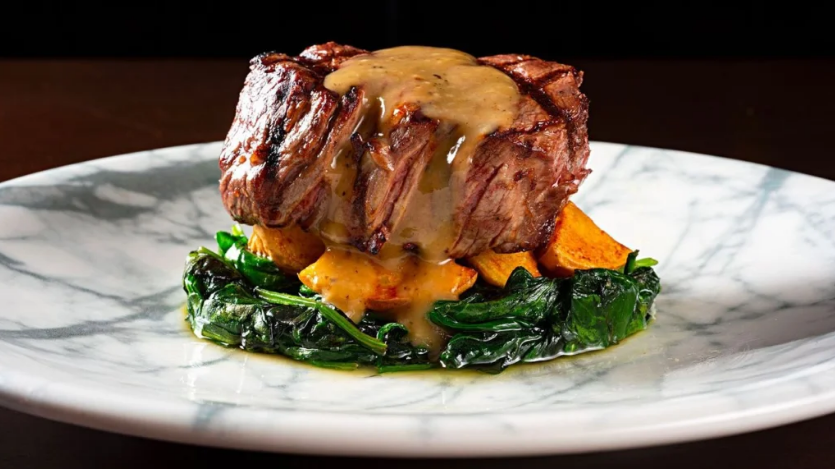
Why Food Provides Insight Into a Destination
Food is one of the most direct ways to understand a place. Ingredients reflect climate, geography, and local farming practices. Cooking methods often carry traditions passed down through generations. For travelers interested in culture, food offers a practical and engaging way to learn about daily life in another country.
Luxury travel has increasingly embraced food as a central theme. Rather than treating meals as breaks between activities, many travelers now plan trips around regional cuisine. This shift has led to greater demand for curated food focused itineraries that balance access, education, and comfort.
Private culinary travel offers an advantage in this context. Timing, flexibility, and local knowledge matter when food is the focus. Markets operate on specific schedules, producers may be located in rural areas, and restaurants require advance planning. A well organized itinerary ensures that these elements work together smoothly.
What Makes a Luxury Culinary Tour Distinct
Many travelers choose a Luxury Culinary Tour because it combines structured planning with meaningful access to local food culture. Companies such as Finest Journeys design private itineraries that integrate dining experiences with regional context and cultural insight.
One defining element is access to producers. Visits to vineyards, olive oil estates, cheese makers, and farms allow travelers to see how ingredients are grown and processed. These experiences provide context that enhances later meals and tastings.
Another key factor is pacing. Luxury culinary travel avoids overcrowding the schedule. Meals are spaced thoughtfully, with time to enjoy each experience. This prevents fatigue and allows travelers to reflect on what they have tasted and learned.
Accommodations support the culinary focus as well. Hotels are selected for location, quality, and proximity to food experiences. Staying in the right area reduces travel time and makes it easier to explore markets, restaurants, and food districts without unnecessary transfers.
Private transportation also plays an important role. Reliable vehicles and experienced drivers ensure that travel between locations is smooth and comfortable. This is particularly important in regions where culinary experiences are spread across countryside areas.
Destinations That Work Well for Culinary Focused Travel
Several destinations consistently appeal to culinary travelers. Italy remains one of the most popular choices due to its strong regional identities. Each area offers distinct ingredients and cooking traditions, making it well suited to in depth food exploration.
Spain attracts travelers interested in regional variety, seafood, and market culture. France continues to appeal to those who value classic techniques, wine regions, and long standing culinary traditions.
Beyond Europe, destinations such as Japan and Peru have gained attention for their distinct food cultures and emphasis on local ingredients. Mexico also attracts culinary travelers due to its regional diversity and strong connection between food and daily life.
Finest Journeys builds culinary itineraries that reflect the regions included in each tour rather than applying a generic approach. This ensures that food experiences remain closely tied to local identity and geography.
The Role of Guides and Local Experts
Guides are central to the success of a culinary focused trip. Their knowledge helps travelers understand menus, ingredients, and regional variations. This context turns meals into educational experiences rather than isolated tastings.
Local experts also help manage expectations. Not every memorable meal takes place in a high profile restaurant. Some of the most meaningful food experiences happen in smaller, family run establishments or rural settings. Guides help travelers appreciate these moments for what they are.
Finest Journeys works with experienced local partners who understand both the culinary landscape and the expectations of luxury travelers. Tours are private and guided, allowing for detailed explanations and flexible pacing throughout the trip.
Guides also help travelers navigate cultural norms related to dining. Understanding how meals are structured, how to order, and how food is shared improves the overall experience and reduces uncertainty.
Why Culinary Tours Appeal to U.S. Travelers
For U.S. travelers, culinary tours offer a comfortable way to explore unfamiliar food cultures. Language barriers and unfamiliar customs can make independent food exploration challenging. Private itineraries and knowledgeable guides reduce these obstacles.
Luxury culinary travel also appeals to travelers who value quality over quantity. Instead of sampling many dishes quickly, these tours focus on fewer, well chosen experiences delivered at a high standard. This allows travelers to enjoy meals fully without feeling rushed.
Culinary tours are well suited to couples, families, and small groups. Shared meals create natural opportunities for connection and conversation. Traveling privately allows groups to focus on shared interests without adapting to the preferences of others.
As interest in food focused travel continues to grow, luxury culinary tours remain a strong option for travelers seeking depth, comfort, and thoughtful planning. With experienced operators like Finest Journeys, guests can explore regional cuisine in a way that feels organized, relaxed, and closely connected to the places they visit.

