Air conditioning systems are essential in maintaining comfort in homes and businesses, especially in regions like Florida, where heat and humidity can be relentless. Despite their prevalence, many misconceptions about air conditioners persist, often leading to inefficient usage or unnecessary repairs. Misunderstandings can range from how often a system should be serviced to assumptions about energy consumption. We will explore these common myths and provide clarity based on practical experience and proven performance. Recognizing and addressing these misconceptions can help homeowners and businesses make informed decisions, extend the life of their units, and optimize energy efficiency. By relying on accurate information and professional guidance, users can ensure that their air conditioning systems operate safely, effectively, and cost-efficiently.
Setting the Thermostat Lower Cools the Room Faster
A widespread belief is that lowering the thermostat will make a room cool more quickly. Many homeowners assume that drastically reducing the temperature setting will increase airflow or speed up cooling. In reality, air conditioning systems operate at a constant speed, designed to reach the set temperature gradually. Rapidly lowering the thermostat does not accelerate this process; it only causes the unit to run longer, increasing energy consumption and potentially straining components.
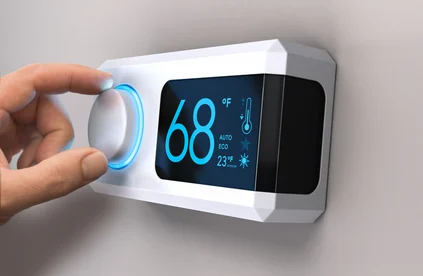
A more efficient approach is to set the thermostat at the desired temperature from the start and use programmable or smart settings to maintain consistent comfort. Senica Air Conditioning, Inc. recommends this strategy to ensure energy efficiency while preventing unnecessary wear and tear on the system. Regular maintenance, such as cleaning filters and inspecting coils, supports optimal performance and makes temperature adjustments more effective, reducing reliance on misconceptions.
Bigger AC Units Are Always Better
Another common misunderstanding is that a larger air conditioner guarantees better cooling. Oversized units can cool spaces quickly, but they often short-cycle, turning on and off too frequently. This leads to uneven cooling, higher humidity, and increased energy use. Conversely, a properly sized system operates efficiently, maintaining consistent temperature and humidity while preserving system longevity. Load calculations based on square footage, insulation quality, and other environmental factors are critical for selecting the right unit. Professional consultation ensures the system aligns with the space’s specific requirements. Overlooking these factors in favor of a larger unit may seem convenient, but it often leads to higher utility bills, discomfort, and premature component wear, underscoring the importance of informed system selection.
Closing Vents in Unused Rooms Saves Energy
Many homeowners believe that closing vents in unused rooms can reduce energy consumption. While this seems logical, it can create pressure imbalances within the ductwork, forcing the system to work harder and potentially damaging components. Modern HVAC systems are designed to distribute air evenly, and obstructing airflow can lead to leaks, reduced efficiency, and uneven cooling in other areas. A better method is to use zoning systems or programmable thermostats that adjust airflow to match usage patterns. These solutions maintain system integrity, improve energy efficiency, and prevent unnecessary stress on the unit. Understanding how air moves through ducts and the impact of vent adjustments can prevent costly repairs and optimize overall performance.
Air Conditioners Don’t Need Regular Maintenance
Some users assume that air conditioning systems only require attention when a problem arises. In reality, routine maintenance is essential for peak performance and long-term reliability. Tasks such as filter replacement, coil cleaning, and refrigerant checks prevent minor issues from escalating into major repairs. Regular maintenance also helps ensure efficient energy use and preserves indoor air quality. Neglecting preventive care can lead to unexpected breakdowns during peak usage, higher repair costs, and a shorter equipment lifespan. Scheduled inspections enable technicians to identify wear patterns, assess system health, and recommend adjustments before significant issues arise. A proactive approach ensures that the air conditioning system remains safe, reliable, and cost-effective throughout its operational life.
Turning Off the AC When Leaving the House Saves Money
Many believe that completely shutting off an air conditioner when leaving home drastically reduces energy costs. While this may reduce immediate energy use, it can also cause the system to work harder upon restart, especially in extremely hot climates. Allowing the unit to maintain a moderate temperature using programmable settings or a smart thermostat can prevent excessive energy spikes and provide consistent comfort upon return. Gradual temperature adjustments minimize stress on components and avoid rapid cooling cycles. Balancing energy savings with system health helps keep utility bills manageable without compromising performance. Homeowners benefit from understanding how modern AC systems work, as intelligent temperature management can deliver better long-term efficiency than simple on/off controls.
All AC Units Are Equally Efficient
Not all air conditioning systems perform the same, even if they appear similar. Energy efficiency varies based on technology, installation quality, and system design. Units with higher SEER (Seasonal Energy Efficiency Ratio) ratings offer better cooling for lower energy use, while outdated or poorly installed systems can consume significantly more power for the same comfort level. Regular assessments by a qualified team ensure the system operates within optimal parameters and identify areas for improvement, such as duct sealing, refrigerant levels, and insulation enhancements. Understanding these distinctions helps homeowners select systems that meet their needs without overpaying for energy or frequent repairs. Awareness of efficiency ratings, combined with proper installation and maintenance, maximizes comfort and reduces unnecessary environmental impact.
Dispelling common myths about air conditioning systems empowers homeowners and businesses to make informed decisions that enhance comfort, efficiency, and equipment longevity. Misunderstandings regarding thermostat settings, system sizing, vent usage, and maintenance can lead to higher costs, reduced performance, and premature wear. By addressing these myths, users can optimize energy consumption, maintain consistent indoor comfort, and prevent unnecessary strain on their systems. Relying on accurate information and a thoughtful approach ensures that air conditioning systems deliver reliable performance throughout their operational life, enhancing both convenience and cost efficiency.