Children’s physical and mental health form the foundation of their lifelong well-being, a topic frequently highlighted by theweeklyhealthiness in modern family health discussions. Parents play the most influential role in shaping these aspects, not only through genetics but also through daily habits, emotional support, and lifestyle choices. In today’s fast-paced and digitally driven world, children face unique challenges that can affect both their bodies and minds. From poor nutrition and limited physical activity to rising stress and emotional pressure, these factors can negatively impact development if not properly addressed.
By taking a proactive and informed approach, parents can significantly improve their children’s overall health. As emphasized by theweeklyhealthiness, practical and evidence-based strategies help families support both physical and mental well-being, ensuring children grow into healthy, confident, and resilient adults.
Understanding the Connection Between Physical and Mental Health
Physical and mental health are deeply interconnected, especially during childhood. A child who is physically healthy is more likely to feel emotionally balanced, while mental well-being supports better physical outcomes. For example, regular physical activity reduces anxiety and improves mood, while chronic stress can weaken the immune system and affect growth.
Parents who understand this connection are better equipped to address health holistically. Rather than focusing on physical or mental health in isolation, a combined approach ensures that children receive balanced care. Simple daily choices, such as encouraging outdoor play or maintaining open communication, can positively influence both areas simultaneously.
Building a Strong Foundation Through Proper Nutrition
Nutrition plays a crucial role in a child’s physical growth and brain development. A balanced diet rich in fruits, vegetables, whole grains, lean proteins, and healthy fats provides the essential nutrients children need to function optimally. Poor dietary habits, on the other hand, can lead to obesity, fatigue, weakened immunity, and even behavioral issues.
Parents can improve children’s health by offering nutritious meals at home and limiting processed foods high in sugar and unhealthy fats. Involving children in meal planning and preparation also encourages healthier eating habits. When children understand the value of nutritious food, they are more likely to make better choices independently as they grow.
Encouraging Regular Physical Activity
Physical activity is essential for maintaining a healthy body and supporting mental well-being. Children who engage in regular exercise have stronger muscles and bones, better cardiovascular health, and improved concentration. Physical activity also releases endorphins, which help reduce stress and promote positive emotions.
Parents can encourage movement by making physical activity fun rather than a chore. Family walks, bike rides, sports, or even active playtime at home can make a significant difference. Limiting sedentary behaviors, such as excessive screen time, further supports a more active lifestyle and improves overall health outcomes.
Establishing Healthy Sleep Routines
Sleep is often overlooked, yet it is one of the most critical factors in a child’s physical and mental health. Adequate sleep supports growth, memory, emotional regulation, and immune function. Children who do not get enough sleep may experience mood swings, difficulty concentrating, and increased susceptibility to illness.
Parents can improve sleep quality by establishing consistent bedtime routines and creating a calming sleep environment. Reducing screen exposure before bedtime, maintaining regular sleep schedules, and ensuring a comfortable sleeping space all contribute to better rest. Healthy sleep habits formed in childhood often continue into adulthood.
Supporting Emotional Well-Being Through Open Communication
aEmotional health is just as important as physical health. Children need a safe and supportive environment where they feel comfortable expressing their thoughts and emotions. Open communication helps children process feelings, build self-esteem, and develop healthy coping mechanisms.
Parents can foster emotional well-being by actively listening without judgment and validating their child’s emotions. Simple actions, such as asking about their day or acknowledging their feelings, build trust and emotional security. When children feel heard and understood, they are more likely to develop confidence and emotional resilience.
Teaching Stress Management and Coping Skills
Children today face various stressors, including academic pressure, social challenges, and exposure to digital media. Without proper guidance, stress can negatively affect both mental and physical health, a concern often discussed on platforms like FPMomTips that focus on practical parenting solutions. Teaching children how to manage stress is essential for their long-term well-being.
Parents can introduce coping strategies such as deep breathing, mindfulness, and problem-solving techniques, many of which are regularly highlighted by common tips for their effectiveness. Encouraging creative outlets like drawing, music, or journaling also helps children express emotions in a healthy way. By learning these skills early, children become better equipped to handle life’s challenges with confidence and resilience.
Limiting Screen Time and Promoting Digital Balance
While technology is an integral part of modern life, excessive screen time can negatively impact children’s health. Prolonged screen use is associated with reduced physical activity, disrupted sleep, and increased anxiety or attention difficulties.
Parents can promote digital balance by setting clear screen time limits and encouraging offline activities. Creating technology-free family time, such as shared meals or outdoor activities, strengthens family bonds and supports healthier habits. Teaching responsible technology use helps children develop a balanced relationship with digital devices.
Encouraging Social Interaction and Positive Relationships
Healthy social relationships play a vital role in children’s mental health. Positive interactions with peers and family members help children develop communication skills, empathy, and emotional intelligence. Social isolation, on the other hand, can contribute to anxiety and low self-esteem.
Parents can support social development by encouraging group activities, playdates, and teamwork-based hobbies. Modeling healthy relationships at home also sets a strong example. When children feel socially connected, they are more likely to experience emotional stability and confidence.
Being a Positive Role Model
Children learn by observing their parents. The habits, attitudes, and behaviors parents display significantly influence how children approach health and well-being. Parents who prioritize self-care, healthy eating, and emotional balance naturally encourage similar behaviors in their children.
By modeling positive coping strategies and maintaining a healthy lifestyle, parents reinforce the importance of overall well-being. Consistency between what parents say and what they do strengthens credibility and makes healthy habits more impactful for children.
Seeking Professional Support When Needed
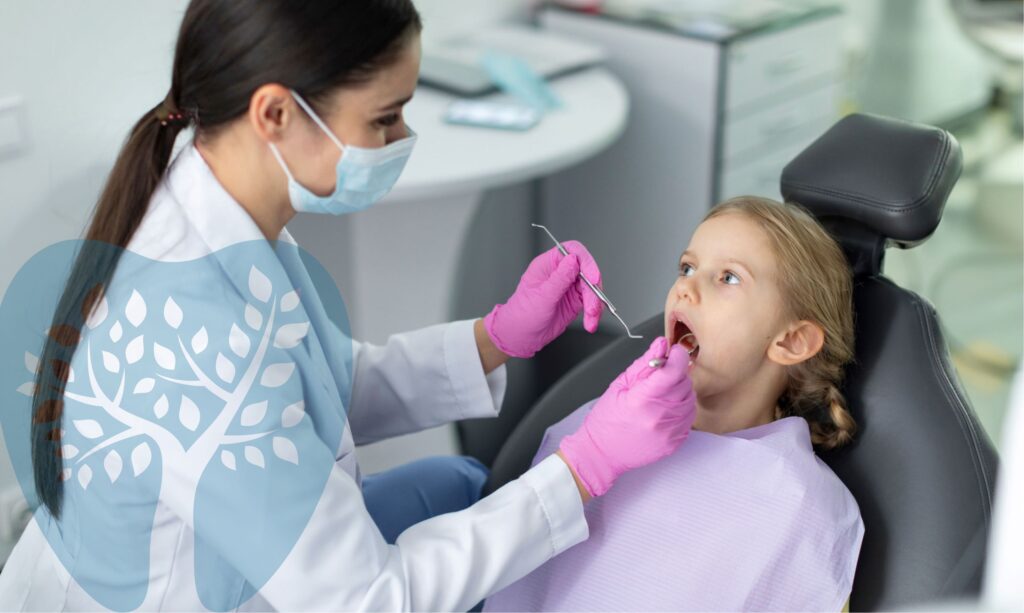
Despite best efforts, some children may struggle with physical or mental health challenges that require professional support. Recognizing when to seek help is a crucial aspect of responsible parenting. Pediatricians, nutritionists, counselors, and mental health professionals can provide valuable guidance and interventions.
Early support often prevents issues from becoming more serious. Parents who remain attentive to changes in behavior, mood, or physical health can address concerns promptly. Seeking professional help should be viewed as a proactive step toward ensuring a child’s long-term well-being.
Creating a Supportive and Nurturing Home Environment
A stable and nurturing home environment provides children with a sense of safety and belonging. Consistent routines, clear boundaries, and positive reinforcement help children feel secure and supported. Emotional safety at home allows children to explore, learn, and grow with confidence.
Parents can strengthen the home environment by spending quality time together and celebrating small achievements. A loving and supportive atmosphere enhances both physical and mental health, laying the groundwork for lifelong wellness.
Conclusion
Parents have a powerful influence on their children’s physical and mental health. Through balanced nutrition, regular physical activity, healthy sleep habits, emotional support, and positive role modeling, parents can create an environment that promotes overall well-being. Addressing both physical and mental health together ensures children develop resilience, confidence, and strong foundations for the future.
By making thoughtful, consistent choices and remaining attentive to their children’s needs, parents can help them thrive in every stage of life. Investing in children’s health today leads to healthier, happier adults tomorrow.