Hearing the sound of crunching metal and feeling the jolt of a collision is a very scary experience. Whether you are driving on Route 7, navigating the busy Beltway, or traveling through the streets of Falls Church, a car accident can happen in the blink of an eye. In fact, Fairfax County sees thousands of accidents every single year, resulting in many injuries.
When a crash happens, your brain might feel “foggy” because of the shock. However, the steps you take in the first few minutes are very important for your safety, your car, and your wallet. This guide will walk you through exactly what to do, from the moment of impact until your car is safely towed away.
Step 1: Stay Calm and Check for Injuries
Remain calm and take a moment to steady yourself before taking any action. Check yourself and your passengers for any hurts. If someone is bleeding, has a bad headache, or feels dizzy, you need to get help right away. If there are injuries, or if you are stuck in a lane where cars are still zooming by, call police immediately.
If you are not badly hurt and your car can still move, try to pull over to the shoulder of the road, a side street, or a nearby parking lot. This keeps you safe from other cars and helps keep traffic moving. Once you stop, turn on your hazard lights (the blinking orange lights) so other drivers can see you.
Step 2: Call the Police
In Fairfax County, you should call the police for any accident that causes injuries, major damage, or if a vehicle cannot be driven. Even if the crash seems small, having a police officer there is helpful because they will create an official report. This report is a “must-have” for your insurance company later on.
While you wait for the officer, stay in a safe spot. If you are on a busy highway, it is often safer to stay inside your car with your seatbelt on until help arrives.
Step 3: Collect Important Information
While you are waiting, you need to talk to the other driver. However, keep the conversation short and polite. You should never argue about whose fault the accident was. Instead, just exchange the “basics.” You will need:
· The other driver’s full name and address.
· Their phone number and driver’s license number.
· Their insurance company name and policy number.
· The license plate number of their car.
If there were people watching (eyewitnesses), try to get their names and phone numbers too. They might be able to help explain what happened later if there is a disagreement.
Step 4: Take Lots of Pictures
Your phone is your best friend after a crash. Before the tow truck arrives and moves the cars, take pictures of everything. This is part of the accident towing fairfax county process that people often forget. You should photograph:
· The extent of damage sustained by both vehicles involved in the incident.
· The whole scene, including street signs and traffic lights.
· Skid marks on the road or broken glass.
· The weather and road conditions.
Taking a video while you walk around the scene can also be very helpful to remember details that might get “muddy” in your mind later.
Step 5: Understanding Accident Towing in Fairfax County
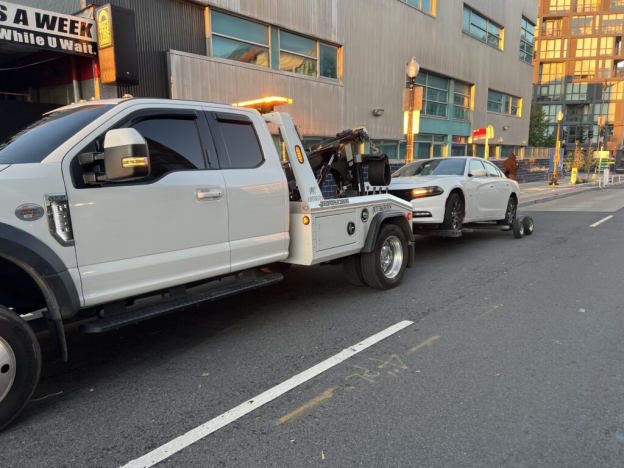
If your car is badly damaged and cannot be driven safely, you will need a tow truck. In our area, people often search for accident towing fairfax county because they need a professional who knows the local roads and rules.
It is important to know the difference between a “tow” and a “recovery”.
· Towing is simply moving a car from one place to another using a flatbed or a lift.
· Recovery is more complicated. This is when a car is stuck in a ditch, flipped over, or pinned against a guardrail. Recovery requires special tools like winches and cranes to get the car back on the road before it can be towed.
When the tow truck arrives, the operator should check the damage and explain their plan to you before they move your car.
Step 6: Choosing the Right Towing Service
Many people don’t realize they have a choice in who tows their car. If the police are at the scene and your car is blocking traffic, they might call a tow truck from a “rotation list” to get the road cleared quickly. However, if you have a preferred company, you can tell the officer.
If you are near the border of the city, you might specifically look for accident towing falls church to find someone who can get to you fast. Having a reliable team on your side means they will treat your car with care and help you figure out the next steps.
Step 7: Where Should Your Car Go?
You have three main choices for where the tow truck takes your vehicle:
1. A Body Shop: If you already know a repair shop you trust, you can have it taken there directly.
2. Your Home: If you aren’t sure what to do yet, you can have it dropped off at your house.
3. A Storage Lot: If the accident happens late at night and shops are closed, the towing company might take it to their secure lot.
Be careful about storage lots, because they often charge a fee for every day your car stays there. If possible, sending it straight to a mechanic can save you money and the hassle of a second tow.
Step 8: Don’t Forget Your Stuff!
Before the tow truck driver pulls away, make sure you get your personal belongings out of the car. It can be hard to get back into your car once it is at a storage lot. Grab your:
· Wallet and house keys.
· Cell phone and chargers.
· Insurance papers and car registration.
· Any expensive items like laptops or bags.
Also, take a quick photo of your odometer (the numbers that show how many miles the car has driven). This protects you so no one can say you drove the car after the accident happened.
Step 9: Call Your Insurance Company
Even if the crash was small, you must tell your insurance company right away. Tell them where the accident happened and give them the police report number if you have it. If you have the right coverage, your insurance might pay for the accident towing falls church service and even a rental car while yours is being fixed.
Your insurance agent will also want to know the name of the towing company and where your car is located so they can send an “adjuster” to look at the damage.
Step 10: Getting Your Police Report
A few days after the crash, you will need to get a copy of the official police report. In Fairfax County, this usually takes between 3 to 10 business days. You can usually get this online through the Fairfax County Police Department website or in person at the Central Records Office. This report is very important for proving what happened and getting your money back for repairs.
Summary Checklist
· Check for injuries and call police if needed.
· Move to a safe spot and turn on hazard lights.
· Exchange info with the other driver (name, insurance, plates).
· Take photos of the cars, the road, and the signs.
· Request a tow and decide where the car should go.
· Remove your valuables and record the mileage.
· Notify your insurance agent about the crash.
Accidents are stressful, but following these steps will help you stay in control. By knowing how to handle accident towing fairfax county and accident towing falls church situations, you can make sure your car is handled properly and you are protected. If you ever find yourself in this situation and need a team that is fast, friendly, and knows exactly how to help drivers in Northern Virginia, you can count on the experts at ACE Towing to get you and your car safely off the road.


