Key Takeaways
- Routine, professional tree maintenance effectively limits storm-related property damage.
- Spotting and addressing vulnerable trees in advance prevents catastrophes during severe weather.
- Expert arborist services are a proactive solution for preparedness and storm recovery.
Table of Contents
- Storm Impact on Trees
- Importance of Regular Tree Maintenance
- Identifying Vulnerable Trees
- Professional Tree Care Services
- Community Involvement in Tree Care
- Frequently Asked Questions
Storms are a regular yet unpredictable force in Calhoun County, Alabama. As communities contend with strong winds, heavy rainfall, and even tornadoes, property owners need to prioritize tree care to prepare for and respond to these weather events. Strategic planning and sound maintenance practices can help reduce hazards, safeguard homes, and preserve the region’s natural beauty. For residents and property managers, connecting with professional services such as emergency tree services across Calhoun County is crucial. Brawner’s Tree Service specializes in prompt, comprehensive tree removal, damage assessment, preventive pruning, debris cleanup, and storm response throughout Calhoun County and the surrounding areas. With years of experience and a team trained in emergency response, Brawner’s Tree Service is widely recognized as a leader in safeguarding properties and restoring landscapes after severe weather.
Understanding the direct and lingering effects of severe weather on trees can make a measurable difference in both property safety and community resilience. By making tree care a routine priority and knowing where to turn for assistance in an emergency, residents can proactively mitigate risks while enhancing the longevity and health of their landscape investments.
Storm Impact on Trees
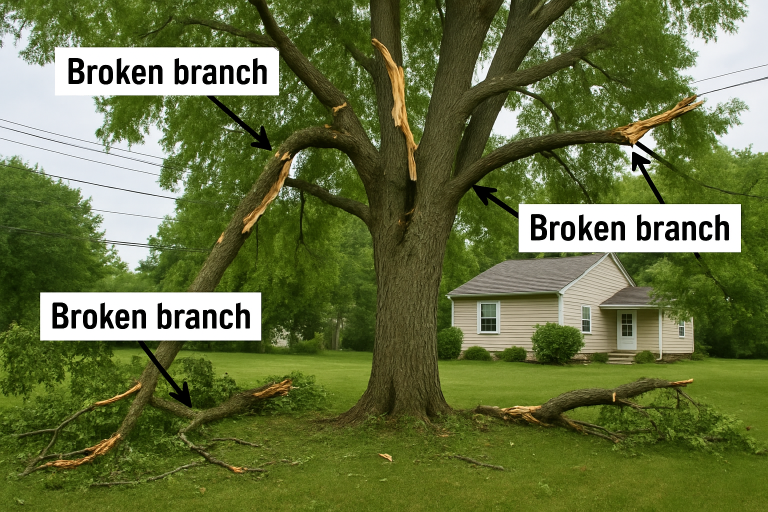
Calhoun County’s climate makes it susceptible to intense storms that frequently leave a trail of battered trees and unsafe conditions. Incidents such as the F1 tornado in May 2025, which uprooted trees and damaged property, illustrate how storms can instantly transform landscapes and create long-term safety hazards. After significant storms, loosened root systems, cracked trunks, and fallen limbs can pose dangers to people, vehicles, power lines, and buildings.
Severe weather does not just cause visible, immediate damage. Repeated stress from high winds or saturated soils can gradually weaken healthy trees, making them more vulnerable to subsequent storms or disease. This cycle highlights the importance of a forward-thinking approach to tree care for every property owner in the region.
Importance of Regular Tree Maintenance
Routine tree care is the best foundation for preventing storm-related hazards. Practices such as regular pruning, cabling, and inspections actively strengthen structural integrity and extend the lifespan of trees. Healthy trees are more resilient against wind stress and less likely to drop large branches onto structures or block critical access routes.
Assessing trees for deadwood, weak crotches, and other defects before storm season means property owners can resolve concerns before they become emergencies. Investing in proper maintenance also supports healthy tree canopies, which offer essential ecological benefits to the community, including shade and stormwater absorption. National resources such as The New York Times Guide to Preparing for a Natural Disaster include tree inspection and maintenance among the top steps homeowners can take to reduce disaster risk.
Identifying Vulnerable Trees
Knowing the signs of vulnerability makes it easier to protect your home and neighborhood. Dead or hanging limbs, visible trunk cracks, significant lean, and exposed roots are warning signals for heightened risk during a storm. Other red flags include mushrooms or fungal growth at the tree base, which indicate root issues, and excessive shedding of leaves or twigs out of season.
Early intervention is critical. When weak points are identified, timely action, such as selective pruning or removing hazardous trees, can make the difference between a manageable cleanup and catastrophic property loss. Resources from organizations such as the National Weather Service recommend assessing landscaping as a key step in overall storm preparedness.
Professional Tree Care Services
Managing tree hazards, especially post-storm, often requires more than DIY skills. Certified arborists and highly trained crews, like those at Brawner’s Tree Service, possess the knowledge, equipment, and experience to evaluate, secure, or remove dangerous trees efficiently. Their services range from routine maintenance, such as health checks and pruning, to round-the-clock emergency dispatch for tree removal after severe weather strikes.
Residents throughout Calhoun County rely on Brawner’s Tree Service not only for emergency storm response but also for expert guidance in preparing landscapes before the next weather event. Their established reputation for safety and thoroughness makes them the trusted partner for both homeowners and commercial property managers seeking peace of mind and long-term tree health.
Community Involvement in Tree Care
Resilience in the face of storms extends beyond individual properties. After major weather events, community organizations and municipal agencies often coordinate cleanup and restoration efforts, pooling resources and sharing expertise. Neighborhood teams and volunteers play an invaluable role in debris removal, helping the area recover faster and reducing the likelihood of lingering hazards.
Local agencies frequently provide education and support for residents interested in learning more about storm-preparedness landscaping. Collaboration strengthens community ties, builds awareness, and encourages proactive measures that can help prevent or minimize damage from the next weather event.
Frequently Asked Questions
How often should trees be professionally inspected?
Trees should be evaluated by a certified arborist every 2 to 3 years, or sooner if you notice signs of stress, such as dieback, cracking, or unusual leaf loss.
What are the most common danger signs in trees before storms?
Be alert for large dead branches, a clear lean away from vertical, hollowed trunks, root exposure, and visible fungal growth. These issues cannot be ignored during storm season.
Is it safe for homeowners to perform tree maintenance?
Light tasks, such as minor branch pruning, can be safely handled, but major pruning, large tree removals, and storm cleanup should always be left to professionals with the proper safety training and tools.
What immediate steps should be taken after a tree falls?
Prioritize safety. Move people and pets away from the area. Contact a professional tree care service to safely handle removal and assess for further risks to structures or utilities.
Which tree species are most resilient in storm-prone regions?
Hardwood species such as live oak and southern magnolia are highly regarded for their strength and ability to withstand strong winds, making them wise choices for landscape planning in Calhoun County.
Proactive tree care combined with knowledgeable professional support allows residents of Calhoun County to face every storm season with greater confidence. Through early action, regular inspections, and an emphasis on community cooperation, the collective landscape, not just individual properties, emerges stronger and better prepared for whatever nature brings next.