Life in Balance: Daily Choices That Support Inner Harmony
Many people view balance as a static “50/50” split between work and personal life—a perfect, unmoving state where everything is equally weighted. However, true inner harmony is less like a scale and more like a seesaw. In psychology, we look at the concept of homeostasis, the biological process by which our mind and body constantly try to return to a baseline of calm.
Modern life, with its endless demands and digital noise, keeps us in a state of perpetual tilt. The secret to a steady life isn’t finding a final destination of peace, but mastering the art of micro-adjustments. By learning to read your internal “dials” early, you can make small choices throughout the day that prevent the seesaw from tipping into a total burnout.
Protecting Your Morning Baseline to Start Strong
The transition from sleep to wakefulness is one of the most delicate hormonal shifts the body undergoes. As your brain moves from a resting state to an active one, it is highly sensitive to external inputs. Most of us fall into the “reactivity trap,” reaching for a phone the moment we open our eyes. This forces the brain into a defensive, high-alert state before it has even established its own baseline.

Protecting your morning means guarding this window. Try the “20-Minute Buffer”: delay all notifications until you have completed at least one internal act, such as deep breathing, hydrating, or gentle movement. This allows you to start your day from a position of agency rather than defense.
Managing the Energy Bank through the Rhythm of Rest
To maintain harmony, we must respect our Ultradian Rhythms. These are the 90-to-120-minute cycles our brains use to maintain high-level focus. When we ignore these cycles and push through “brain fog” with more caffeine or willpower, we aren’t just getting tired; we are draining our emotional reserves, leading to irritability and instability later in the day.
The most effective way to manage your “energy bank” is the 90:10 rule: for every 90 minutes of high-focus work, take a ten-minute “low-stimulus” break. This means stepping away from all screens to allow your nervous system to recover, ensuring you have enough energy for the big decisions that matter most.
Decision Hygiene as a Way to Reduce Mental Friction
Every choice we make, from what to wear to how to phrase an email, consumes a small amount of mental energy. This leads to Decision Fatigue, a state where the quality of our choices—and our ability to stay patient—drops significantly as the day goes on.
When people find themselves struggling to keep up with these mental demands, they often ask, “what is Liven?” and discover it is a platform designed to simplify self-care by providing structured rituals that reduce the need for constant decision-making. Practicing good “decision hygiene” means automating small, repetitive choices so you can save your “harmony points” for meaningful interactions.
Try “Three-Choice Nightly Prep”: decide on your top three priorities for tomorrow before you go to bed tonight to avoid morning mental friction.
Emotional Regulation through the Art of the Check In
Most people don’t realize they have lost their inner balance until they are already in the middle of a crisis or an emotional outburst. Emotional regulation is the practice of noticing the “yellow light” before it turns red.
A helpful tool is the HALT method: whenever you feel a spike in tension, ask if you are simply Hungry, Angry, Lonely, or Tired. To make this a habit, try the “Hour-Bell Check-In.” Set a silent alert on your watch or phone to pause and ask: “On a scale of 1–10, how much tension am I holding in my body right now?” This simple awareness allows you to release physical stress before it turns into a mental burden.
Digital Minimalism for Curating Your Mental Inputs
Our environment isn’t just physical; it is digital. The constant stream of news and social comparison creates a form of “ambient stress” that quietly erodes our inner peace. Curating your mental inputs is essential for long-term harmony.
We must learn to distinguish between the “feed”—the chaotic noise of the internet—and the “field”—the real-world connections and environments right in front of us. To protect your sleep and recovery, implement an evening “Digital Sunset.” Dim the lights and silence all non-essential devices 60 minutes before bed. This signals to your nervous system that the day’s demands are over and it is safe to downregulate.
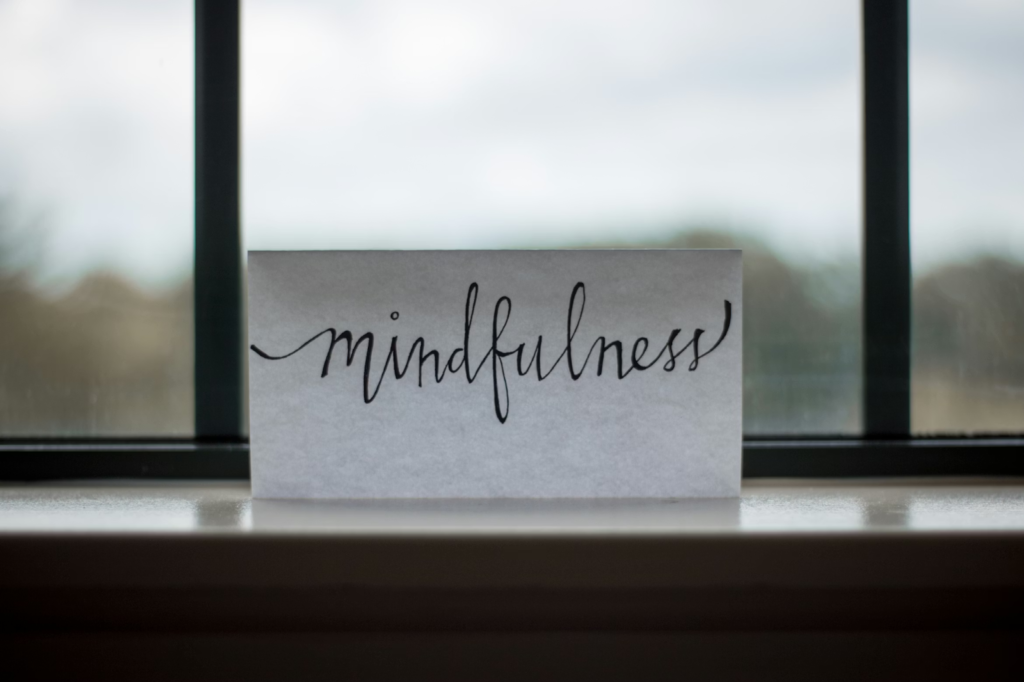
Final Word and the Constant Return to Center
Inner harmony is not a trophy you win and keep; it is a practice you return to every single day. You will inevitably get knocked off balance by unexpected events, but your power lies in the grace with which you return to your center.
Balance is not the absence of movement, but the intentional way you navigate the different parts of your life. When you master your daily choices, you stop being a victim of your schedule and start being the architect of your own peace. This commitment to self-awareness transforms your well-being into a sustainable lifestyle rather than a temporary fix. By making these small, mindful micro-adjustments, you create a life that feels steady, resilient, and truly harmonious.
As you grow more confident in these choices, you will find that you are no longer just surviving the day, but thriving within it.