Foundations of dependable summer cooling
Preparing Systems for Sustained Heat
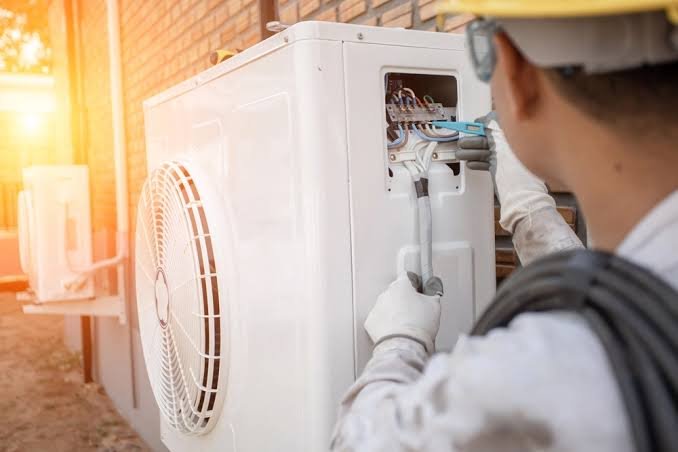
As summer temperatures climb, air conditioning systems must operate under continuous strain for longer periods than in milder seasons. Maintenance prepares systems for this sustained workload by addressing factors that reduce efficiency under heat stress. Dust buildup on coils, minor refrigerant imbalances, or worn electrical connections may seem insignificant during spring, but they can limit cooling capacity when outdoor temperatures peak. Maintenance restores operating balance so the system can run longer cycles without overheating or shutting down. This preparation ensures the system maintains stable output even during consecutive hot days, reducing interruptions that compromise indoor comfort and reliability.
Reducing Mid-Summer Breakdowns
Unexpected cooling failures during summer often trace back to unresolved issues that developed earlier in the year. Components exposed to heat, vibration, and constant use degrade faster without attention. Maintenance identifies these vulnerabilities before they escalate into breakdowns during critical cooling periods. Motors, capacitors, and contact points are checked to confirm they can withstand high-demand operation. In regions with sharp summer temperature spikes such as Denver, this proactive approach helps systems remain dependable when cooling demand intensifies. By addressing weak points early, maintenance reduces the likelihood of sudden failures that disrupt summer comfort.
Supporting Consistent Cooling Output
Reliable summer cooling requires more than turning on the system; it requires consistent delivery of cooled air throughout the day. Maintenance supports this consistency by keeping airflow pathways clear and mechanical functions stable. When filters clog or fans lose balance, the system may cool intermittently or unevenly. Maintenance corrects these inefficiencies, allowing the system to deliver steady cooling without fluctuations. This consistency prevents rooms from warming unexpectedly and reduces the need for frequent thermostat adjustments. Over time, stable cooling output contributes to a more predictable indoor environment during extended periods of summer heat.
Short-Term Cooling Stability
Some cooling issues appear only briefly, yet still disrupt comfort during summer. Short cycling, delayed startups, or uneven cooling between afternoon and evening hours can make indoor temperatures unpredictable. Maintenance minimizes these short-term issues by ensuring controls and sensors function accurately. When the system reads indoor conditions correctly, it responds smoothly instead of overreacting to heat changes. This stability allows the air conditioner to match cooling output with actual demand, supporting reliable operation during peak sun exposure and after sunset.
Maintaining Efficiency Under Load
Summer cooling places heavy electrical and mechanical loads on air conditioning systems. As outdoor temperatures rise, systems must work harder to remove heat from indoor air. Maintenance helps systems manage this load efficiently by reducing internal resistance and friction. Clean coils transfer heat more effectively, lubricated parts move freely, and secure electrical connections prevent power loss. These factors allow the system to maintain cooling capacity without excessive strain. Efficient load handling supports reliable performance by preventing overheating and reducing the risk of component fatigue during long summer operating hours.
Preventing Performance Decline Over Time
Air conditioning systems rarely fail suddenly during summer; performance usually declines gradually as heat exposure compounds existing wear. Maintenance slows this decline by correcting small inefficiencies before they accumulate. A system that begins summer operating at full capacity is better equipped to maintain reliability through the hottest months. Maintenance preserves cooling margins, ensuring the system does not operate at its limits too early in the season. This preservation helps the unit continue delivering reliable cooling through late summer without noticeable drops in performance.
Why Timing Matters for Summer Readiness
The timing of maintenance plays a crucial role in how well an air conditioning system performs during summer. Systems serviced before peak heat arrives enter the season with fewer hidden issues. This timing allows technicians to address concerns without the pressure of emergency conditions. As summer progresses, systems that missed early maintenance may struggle to keep pace with rising temperatures. Proper timing ensures that cooling reliability is established before demand intensifies, reducing stress on both the system and occupants during the hottest weeks.
Long-Term Reliability Through Consistent Care
Reliable summer cooling is not achieved through one-time fixes but through consistent care across seasons. Maintenance builds long-term reliability by extending component life and preserving performance balance. Each service visit reinforces the system’s ability to handle future heat waves without disruption. Over time, this consistency results in fewer surprises and steadier cooling behavior. Systems that receive regular attention are more likely to deliver dependable summer comfort year after year, even as environmental conditions fluctuate.
Conclusion: Dependable Cooling Starts With Maintenance
Reliable summer cooling depends on preparation, consistency, and system balance rather than chance. Air conditioning maintenance supports this reliability by strengthening performance before heat demand peaks and sustaining efficiency throughout the season. Through proactive care, systems manage heavy workloads with fewer interruptions and more predictable results. Maintenance reduces breakdown risks, stabilizes cooling output, and helps air conditioners respond smoothly to summer heat. When systems are maintained with intention, indoor environments remain cooler, more comfortable, and dependable across the hottest months of the year.